

Home remodeling can completely transform the look, feel, and functionality of a home, but it can also become overwhelming without proper planning. Many homeowners begin renovations with excitement, only to encounter avoidable setbacks due to rushed decisions, unclear budgets, or lack of preparation. Even small mistakes can snowball into larger issues, affecting timelines, costs, and long-term satisfaction. Understanding the most common remodeling pitfalls helps homeowners make informed choices that protect their investment and ensure smoother project execution.
Fortunately, many remodeling mistakes are preventable with the right approach. Careful planning, realistic expectations, and thoughtful decision-making go a long way in maintaining control throughout the renovation process. Whether you are updating a single room or tackling a full home renovation, being aware of these potential challenges can save time, reduce stress, and keep your project on track. By learning where others commonly go wrong, you can confidently move forward with a renovation that enhances both the function and value of your home.
Failing to Set a Realistic Budget

One of the most frequent mistakes homeowners make is starting a renovation without establishing a detailed and realistic budget. Many people underestimate the cost of materials, labor, permits, and unexpected issues that may arise once work begins. Without a clear financial plan, it becomes easy to overspend or cut corners in areas that require quality materials or skilled workmanship. A solid budget provides direction, helps you prioritize upgrades, and prevents unnecessary delays caused by running out of funds mid-project.
Budgeting must also account for infrastructure needs that may arise during the remodel. For instance, projects involving plumbing or property expansion may require septic installations, which can significantly impact overall costs. Failing to anticipate these necessary investments can lead to financial strain or stalled progress. By researching pricing, planning for contingencies, and understanding the full scope of the project, homeowners can set a budget that supports a successful renovation instead of limiting it.
Choosing Materials Based Only on Price
Selecting materials solely based on price may seem like a practical way to lower renovation costs, but it can lead to long-term dissatisfaction and expensive repairs. Low-cost materials often lack the durability, aesthetic appeal, or performance needed to withstand daily wear and tear. While saving money upfront may feel rewarding, cheap materials tend to wear out quickly, compromising both the quality of the remodel and the value of your home. Quality materials, though more expensive, often prove more cost-effective over time.
This issue frequently arises in exterior projects where durability is essential, such as when comparing options recommended by residential roofing companies. A slightly higher investment in well-made roofing materials can provide better insulation, increased weather resistance, and a longer lifespan. Choosing materials wisely ensures that your remodel looks great, performs well, and maintains its value for years to come.
Overlooking Structural or Safety Issues
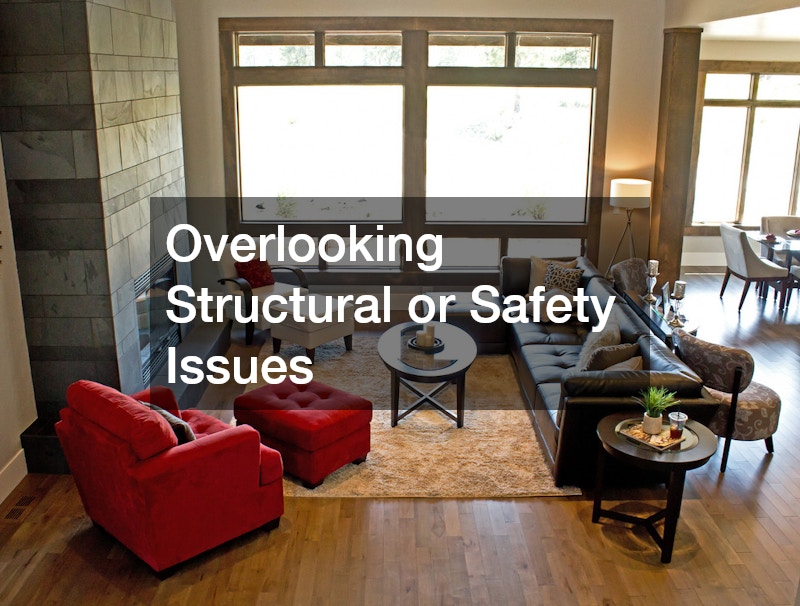
Another common mistake in home remodeling is focusing solely on cosmetic changes while ignoring underlying structural or safety concerns. A renovation may look beautiful on the surface, but if issues like outdated wiring, weak framing, or compromised entry points remain unaddressed, the home can become unsafe or require costly repairs later. Addressing structural needs early ensures that the upgrades you make will last and that the home remains secure and stable. Skipping this step may save time initially, but it almost always leads to bigger problems down the line.
During renovations, homeowners often discover safety concerns they had not previously considered, such as worn locks or compromised access points. Bringing in a residential locksmith when these issues arise can help restore security and reinforce the home’s protection. By taking care of structural and safety improvements while remodeling, homeowners create a safer living environment and avoid future disruptions caused by overlooked maintenance needs.
Ignoring Proper Permits and Regulations
Many homeowners underestimate the importance of obtaining proper permits before beginning renovations. Building codes and local regulations exist to ensure safety, structural integrity, and compliance with community standards. Failing to secure the required permits can result in fines, forced project shutdowns, or the need to redo completed work. Additionally, unpermitted renovations can create problems when selling the home, as buyers and inspectors may flag unauthorized changes. Following legal procedures ensures that the work meets approved standards and protects the homeowner’s investment.
This is especially important when renovations involve electrical work, where compliance plays a critical role in safety. Partnering with a local electrical contractor ensures that wiring, panel upgrades, and other electrical modifications adhere to official regulations. Licensed professionals help navigate the permitting process, complete work safely, and prevent issues that could lead to hazardous conditions or costly corrections. Ignoring permits may seem like a shortcut, but it ultimately creates more risk than reward.
Hiring Unqualified or Unvetted Contractors
Choosing the wrong contractor is one of the most damaging mistakes homeowners can make during a remodel. Hiring unlicensed, inexperienced, or unvetted contractors can lead to poor workmanship, unsafe installations, budget overruns, and unfinished projects. Homeowners should always research potential contractors, check references, verify credentials, and review portfolios before hiring. A qualified contractor communicates clearly, provides detailed estimates, and completes work that meets or exceeds industry standards. Investing time in vetting professionals saves money, stress, and frustration throughout the renovation process.
This is especially important for specialized projects, such as deck construction, which requires precise craftsmanship and adherence to safety codes. An experienced contractor ensures the structure is stable, attractive, and built to last. Poorly built decks can pose safety hazards, reduce property value, and require costly repairs. By hiring skilled professionals, homeowners protect their investment and enjoy results that enhance both the beauty and functionality of their home.
Underestimating Project Timelines
One of the most underestimated aspects of home remodeling is the amount of time a project will actually take. Many homeowners assume renovations will be quick and straightforward, but delays often arise from backordered materials, unexpected repairs, weather conditions, or contractor availability. Underestimating timelines creates frustration, disrupts daily routines, and may even increase project costs if temporary living arrangements or storage solutions are needed. Planning for realistic timelines—and adding buffer time for the unexpected—helps keep expectations grounded and reduces stress throughout the remodeling process.
Homeowners who shop for finishes at floor stores often discover firsthand how long certain materials take to order or install. Specialty flooring, custom cuts, or premium materials may require extended lead times, impacting the overall schedule. By understanding these potential delays early in the planning phase, homeowners can adjust timelines more accurately and avoid rushing decisions. A well-planned timeline ensures the remodel progresses smoothly and allows each phase of construction to be completed with proper care and attention.
Neglecting Future Maintenance Needs
A beautifully remodeled home can still cause problems if future maintenance needs are ignored. Some homeowners choose materials or designs that look appealing but require more upkeep than anticipated. Others may skip reinforcing key systems that should be updated during a remodel, leading to unnecessary repairs later. Considering long-term maintenance needs during the planning phase ensures the remodel remains functional, durable, and cost-effective over time. Choosing materials that balance beauty and resilience helps preserve the investment for years to come.
Outdoor maintenance needs are often overlooked during interior-focused renovations. Partnering with a local landscaping contractor can help homeowners identify potential long-term issues such as poor drainage, overgrown trees, or soil erosion that could affect the home’s foundation or exterior. Addressing these concerns early strengthens the property’s overall condition and reduces future headaches. A successful remodel supports not only the immediate appearance of the home but also its long-term manageability and structural health.
Skipping the Design and Planning Phase
Rushing into a remodel without adequate design and planning is one of the most costly errors homeowners make. A well-designed plan outlines project goals, material selections, structural needs, and budget allocations. Without this direction, homeowners may find themselves making impulsive decisions, encountering layout issues, or realizing too late that certain elements do not work together. Proper planning also helps identify potential challenges early, ensuring the renovation progresses efficiently and cohesively.
This issue becomes even more significant when outdoor structures are involved, such as installing retaining walls that require precise engineering and proper grading. Poor planning in these projects can result in structural failure, drainage problems, or soil instability, all of which are expensive to correct. A thorough planning phase ensures all structural, aesthetic, and functional elements align with the homeowner’s goals. Thoughtful preparation sets the foundation for a smoother remodeling process and a final result that meets expectations both visually and practically.
Making Changes Mid-Project Without Review
One of the most disruptive mistakes homeowners make during a remodel is changing plans in the middle of the project without fully reviewing the consequences. Even small adjustments—such as switching materials, altering layouts, or adding extra features—can trigger a chain reaction of delays, cost increases, and design inconsistencies. Contractors may need to reorder supplies, revise structural plans, or undo previously completed work, all of which extend timelines and inflate budgets. While flexibility is sometimes necessary, unplanned mid-project changes can compromise the quality and cohesion of the final result.
These issues become even more apparent during exterior or landscaping-related updates, where homeowners may partner with a mulch company to adjust garden beds, borders, or overall outdoor design after construction begins. Adding or removing landscape features mid-renovation can interfere with drainage plans, grading work, or scheduled installations. The best way to avoid costly revisions is to finalize decisions during the planning stage and consult contractors before making any changes. When adjustments are necessary, reviewing the full impact helps ensure the project stays organized and cost-effective.
Not Considering Long-Term Functionality
A home remodel should not only look appealing today—it should also continue meeting your needs years into the future. Unfortunately, many homeowners focus solely on current trends or immediate problems without considering how the space will function as lifestyles, family sizes, or mobility needs evolve. Designs that prioritize aesthetics over practicality may lead to awkward layouts, insufficient storage, or spaces that quickly feel outdated. Thinking ahead ensures your home remains adaptable, comfortable, and functional for long-term living.
Financial and risk considerations also play a role in long-term planning, and some homeowners consult their home and car insurance providers when making renovations that could impact coverage or premiums. Structural changes, system upgrades, and new installations may qualify for insurance benefits or require documentation to maintain proper protection. Understanding how renovations affect long-term financial planning ensures homeowners are fully prepared for future needs and unexpected circumstances. Incorporating long-term thinking into a remodel creates a home that grows with you instead of working against you.
Wrapping It Up
Home remodeling is an exciting opportunity to improve comfort, functionality, and overall property value—but only when approached with thoughtful planning and awareness of common pitfalls. Many homeowners begin renovations with enthusiasm, only to encounter preventable delays, budget overruns, or structural challenges that cause frustration and financial strain. By understanding the most frequent mistakes—such as underestimating timelines, choosing materials solely for cost, neglecting permits, or making mid-project changes without review—homeowners can avoid unnecessary setbacks and maintain control throughout the process. A successful remodel requires clarity, preparation, and partnership with qualified professionals who support your vision while ensuring the work meets safety and quality standards.
Long-term success in remodeling also depends on considering maintenance needs, future household changes, and overall functionality rather than focusing exclusively on aesthetics. Homes are living environments that evolve with the people who occupy them, and a remodel should reflect both present and future needs. Planning for sustainability, durability, and adaptability ensures that your investment continues paying dividends for decades. Thoughtfully selected materials, structurally sound improvements, and well-designed layouts contribute to a home that remains comfortable, safe, and energy efficient.
When homeowners take the time to prepare properly, consult experienced contractors, and think holistically about their space, remodeling becomes a rewarding experience rather than a stressful one. Every decision—from budgeting and design to materials and timelines—shapes the long-term value and enjoyment of the home. Avoiding common mistakes helps protect that investment and leads to results that are both beautiful and practical. With foresight, patience, and careful planning, a remodel can transform not just a home but the way you live within it, creating lasting comfort and confidence for many years ahead.
