
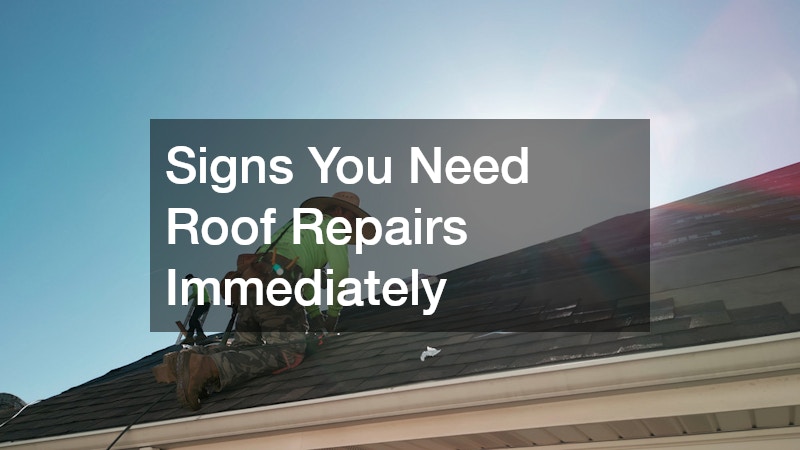
Your roof is one of the most critical components of your home, protecting everything beneath it from weather, moisture, and structural damage. Yet, many homeowners overlook early warning signs until minor issues escalate into costly problems. Recognizing these signs early can save you time, money, and stress. By understanding what to look for and how to respond, you can take proactive steps to maintain your home’s safety and integrity.
Identifying Visible Exterior Damage Before It Worsens
The most obvious signs of trouble often appear on the outside of your home. Unfortunately, these indicators are also the easiest to ignore if you’re not actively looking for them.
Shingles serve as your roof’s first line of defense, and any damage to them should be taken seriously. Missing shingles expose the underlayment to moisture, while cracked or curling shingles suggest aging materials that are no longer effective. Granule loss, often visible in gutters or at the base of downspouts, indicates that shingles are deteriorating and losing their protective coating.
Key exterior warning signs include:
- Bald spots where granules have worn away
- Shingles that appear warped or lifted
- Loose or rusted flashing around vents and chimneys
- Visible debris impact or punctures
Even small areas of damage can quickly lead to larger issues requiring extensive roof repairs. In residential roofing systems, these vulnerabilities allow water to penetrate beneath the surface, leading to rot and mold.
Actionable tips:
- Perform a visual inspection from the ground using binoculars
- Walk around your home after storms to check for fallen shingles
- Look for uneven roof lines or discoloration
Catching these issues early can prevent minor concerns from turning into major structural problems.
Spotting Interior Warning Signs That Demand Immediate Attention
Not all roofing issues are visible from the outside. In many cases, the first signs of trouble appear inside your home.
Water stains on ceilings and walls are among the most common indicators of a leak. These stains may start small but can quickly spread, signaling ongoing moisture intrusion. In addition, peeling paint or bubbling drywall often suggests trapped moisture behind surfaces.
Your attic can reveal even more clues. Damp insulation, musty odors, or visible mold growth are clear signs that water is entering your home. Regular roof inspections can help identify these issues before they become severe, while professional roofing services can diagnose the root cause.
Common interior warning signs include:
- Yellow or brown ceiling stains
- Mold or mildew in corners or attic spaces
- Warped wood or sagging drywall
- Increased humidity indoors
Actionable tips:
- Check your attic after heavy rain
- Use a flashlight to inspect dark corners for moisture
- Monitor areas around vents and chimneys
Addressing these signs promptly helps prevent damage to both your roof and your home’s interior structure.
Responding Quickly to Active Leaks During Storms
Few situations are more urgent than discovering an active leak during a storm. Immediate action is essential to minimize damage and protect your home.
When water begins entering your home, it’s important to act quickly. Even a small leak can lead to significant structural damage, electrical hazards, and mold growth if left unchecked.
Steps to take during an active leak:
- Place buckets or containers to catch dripping water
- Move furniture and valuables away from affected areas
- Use towels or tarps to limit water spread
- Relieve pressure by carefully puncturing bulging ceiling areas
In severe cases, contacting an emergency roofing company is necessary to stabilize the situation. Local roofers can often respond quickly and provide temporary solutions until permanent repairs are completed.
Actionable tips:
- Keep emergency contact numbers easily accessible
- Store basic supplies like tarps and buckets in advance
- Document damage for insurance purposes
Quick action can significantly reduce repair costs and prevent further complications.
Understanding the Impact of Storm and Weather Damage
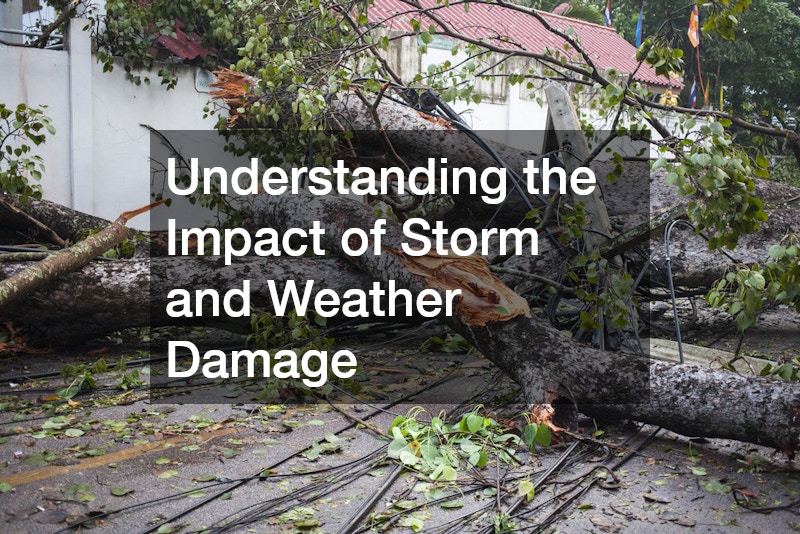
Weather is one of the leading causes of roof damage, and its effects are not always immediately visible. High winds can lift shingles, hail can create small but damaging dents, and heavy rain can exploit existing weaknesses.
After a storm, it’s important to carefully assess your roof. Even if everything appears intact, hidden damage may still exist. Roofing companies often recommend a professional inspection following severe weather events.
Signs of storm-related damage include:
- Dented or bruised shingles from hail
- Loose or missing flashing
- Debris accumulation in valleys
- Water is pooling in certain areas
A qualified roof contractor can identify issues that may not be visible to the untrained eye, preventing minor damage from escalating.
Actionable tips:
- Inspect your property immediately after storms
- Check gutters and downspouts for shingle debris
- Schedule a professional evaluation if you suspect damage
Being proactive after severe weather helps extend your roof’s lifespan and prevent unexpected failures.
Recognizing Sagging or Structural Weakness Early
A sagging roof is a serious issue that requires immediate attention. It often indicates underlying structural problems that could lead to collapse if ignored.
Sagging can occur due to prolonged moisture exposure, poor construction, or excessive weight from debris or snow. In residential roofing systems, even slight dips can signal significant damage beneath the surface.
Warning signs of structural weakness include:
- Visible dips or curves along the roofline
- Cracking sounds from the attic
- Doors or windows that suddenly stick
- Uneven ceilings inside the home
Professional roof inspections are critical in these situations. Residential roofing contractors can assess the severity of the problem and recommend appropriate solutions.
Actionable tips:
- Compare your roofline against straight edges or neighboring homes
- Inspect your attic for signs of moisture or rot
- Avoid walking on areas that appear unstable
Addressing structural issues early can prevent catastrophic damage and ensure your home remains safe.
Knowing When Aging Materials Require Immediate Replacement
Every roof has a lifespan, and aging materials eventually lose their ability to protect your home effectively. Recognizing when repairs are no longer sufficient is key to avoiding ongoing problems.
Different materials have different lifespans. Asphalt shingles typically last 20–30 years, while metal or tile roofs may last longer. However, environmental factors can accelerate wear and tear.
Signs that materials are nearing the end of their lifespan include:
- Frequent need for roof repairs
- Widespread shingle deterioration
- Persistent leaks despite fixes
- Fading or discoloration
Using high-quality roofing supplies during repairs can extend your roof’s life, but there comes a point when replacement is the more cost-effective option.
Actionable tips:
- Keep records of your roof’s installation date
- Monitor how often repairs are needed
- Consult professionals about long-term solutions
Understanding the limits of your roofing materials helps you make informed decisions about maintenance and replacement.
Detecting Poor Installation or Previous Repair Issues
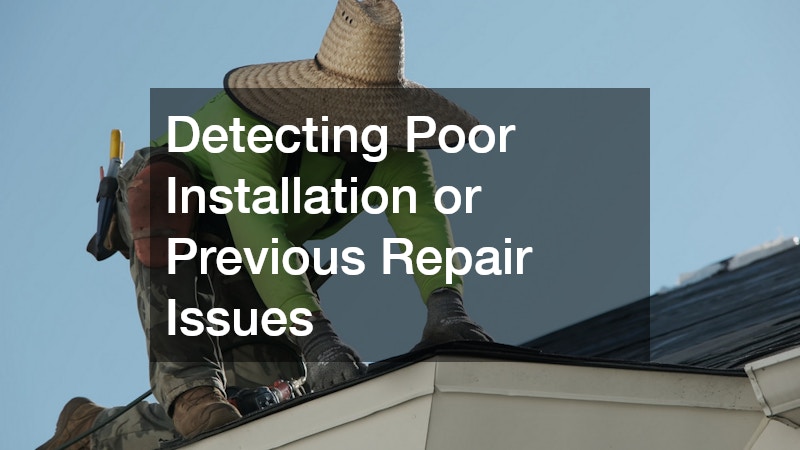
Not all roofing problems are caused by age or weather. In some cases, improper installation or subpar repairs can lead to ongoing issues.
Poor workmanship can create vulnerabilities that allow water to penetrate your roof. Misaligned shingles, inadequate sealing, and incorrect flashing installation are common problems.
Signs of poor installation include:
- Uneven shingle patterns
- Repeated leaks in the same location
- Loose materials or exposed nails
- Inconsistent color or texture
Professional roofing services can identify these issues and recommend corrective measures. A reliable roof contractor will ensure that repairs are completed the first time correctly.
Actionable tips:
- Review documentation from previous work
- Inspect repaired areas regularly
- Seek a second opinion if problems persist
Addressing installation issues promptly can prevent long-term damage and unnecessary expenses.
Evaluating Energy Efficiency Changes Linked to Roof Problems
Your roof plays a significant role in your home’s energy efficiency. When problems arise, they can impact insulation and ventilation, leading to higher energy costs.
A damaged roof may allow heat to escape during winter and enter during summer, forcing your HVAC system to work harder. This not only increases utility bills but also reduces overall comfort.
Signs of energy-related roofing issues include:
- Sudden spikes in heating or cooling costs
- Uneven indoor temperatures
- Drafts or hot spots in certain rooms
- Excessive attic heat
Residential roofing systems rely on proper ventilation and insulation to maintain efficiency. Roofing companies can evaluate these factors and recommend improvements.
Actionable tips:
- Compare monthly energy bills for unusual increases
- Check attic ventilation and insulation levels
- Seal any visible gaps or openings
Improving your roof’s performance can enhance comfort and reduce long-term energy expenses.
Taking Preventative Measures With Routine Maintenance
Regular maintenance is one of the most effective ways to prevent major roofing issues. By addressing minor concerns early, you can extend the life of your roof and avoid costly repairs. Small problems—such as a loose shingle or a clogged gutter—may seem insignificant at first, but they can quickly escalate into leaks, water damage, and structural deterioration if left unattended. A proactive approach allows you to catch these issues before they compromise the integrity of your home.
Routine maintenance tasks include cleaning gutters, removing debris, and inspecting for damage. Local roofers can provide professional maintenance services, ensuring that your roof remains in optimal condition. Their trained eye can identify subtle warning signs that homeowners might overlook, such as early-stage material wear or hidden moisture intrusion. Partnering with professionals for periodic evaluations adds an extra layer of protection and peace of mind.
Essential maintenance steps:
- Clear leaves and debris from gutters: Clogged gutters can cause water to back up and seep under roofing materials, leading to rot and leaks. Keeping gutters clean ensures proper drainage and prevents unnecessary strain on your roof.
- Trim overhanging branches: Branches that hang too close to your roof can scrape against shingles, dislodge materials during high winds, and drop debris that traps moisture. Regular trimming reduces these risks and helps maintain a clear surface.
- Inspect flashing and seals: Flashing around chimneys, vents, and skylights is especially vulnerable to wear. Cracks or gaps in these areas can allow water to penetrate your roof. Regular inspections help ensure these critical components remain watertight.
- Replace damaged components using quality roofing supplies: When minor damage is identified, using durable materials for repairs can make a significant difference in long-term performance. Investing in quality roofing supplies helps ensure that fixes hold up against weather and time.
Actionable tips:
- Create a seasonal maintenance schedule: Establishing a consistent routine helps you stay on top of upkeep tasks. Breaking maintenance into manageable seasonal checklists makes the process more organized and less overwhelming.
- Perform inspections in spring and fall: These transitional seasons are ideal for assessing any damage caused by extreme temperatures, storms, or debris buildup. Regular inspections during these times help you prepare your roof for upcoming weather conditions.
- Address small issues before they escalate: Promptly fixing minor concerns prevents them from developing into larger, more expensive problems. Even simple repairs can significantly extend the life of your roof when handled early.
Consistent upkeep helps protect your investment and ensures your roof continues to perform effectively.
Choosing the Right Professionals for Urgent Repairs
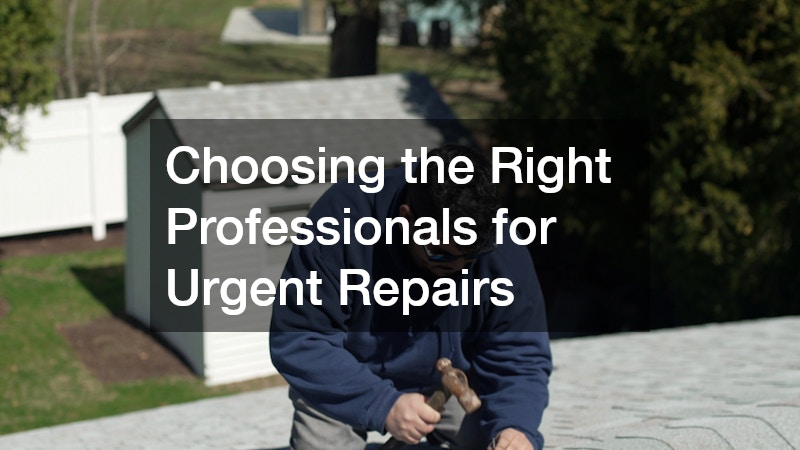
When urgent issues arise, choosing the right professionals is critical. The quality of the repair work can significantly impact your roof’s longevity and performance. Poor workmanship or rushed fixes can lead to recurring leaks, structural damage, and higher long-term costs, while skilled professionals can identify underlying issues and address them correctly the first time.
An emergency roofing company can respond quickly to immediate problems, securing your home and preventing further damage during critical situations. At the same time, experienced residential roofing contractors focus on long-term durability, ensuring that repairs or replacements are completed with proper materials, techniques, and attention to detail. Understanding when you need a rapid response versus a comprehensive repair is key to making the right decision.
What to look for in a professional:
- Proper licensing and insurance: Ensures the contractor meets local regulations and protects you from liability in case of accidents or property damage. Always confirm that both liability insurance and workers’ compensation coverage are active and up to date.
- Positive customer reviews and references: Look for consistent feedback about reliability, communication, and quality of work. Verified reviews and direct references can give you insight into how the contractor performs under real-world conditions, especially during urgent situations.
- Clear and detailed estimates: A professional should provide a written estimate that outlines labor, materials, timelines, and potential additional costs. Vague or overly simplified quotes can lead to unexpected expenses later.
- Experience with similar roofing systems: Different roofing materials and designs require specific expertise. Hiring someone familiar with your type of roof increases the likelihood of a durable and efficient repair.
Actionable tips:
- Verify credentials before hiring: Ask for proof of licensing and insurance, and take the time to confirm their validity through local licensing boards or official databases.
- Request multiple quotes for comparison: Comparing at least two or three estimates helps you understand fair pricing and identify any outliers. Be cautious of unusually low bids, as they may indicate shortcuts or lower-quality materials.
- Ask about warranties and guarantees: Reputable professionals stand behind their work. Clarify what is covered, how long the warranty lasts, and what steps to take if issues arise after the repair is completed.
Taking these steps not only helps you select the right professional for the job but also reduces stress during urgent situations. Establishing a relationship with a trusted provider ahead of time means you won’t have to make rushed decisions when problems occur, giving you confidence that your home is in capable hands.
Conclusion
Recognizing the signs of roof damage early is essential for protecting your home and avoiding costly repairs. From visible exterior issues to subtle interior warning signs, staying vigilant allows you to address problems before they escalate. By taking proactive steps, maintaining your roof regularly, and seeking professional help when needed, you can ensure your home remains safe, efficient, and structurally sound for years to come.
