
Why Energy Efficiency Matters More Than Ever
Energy efficiency isn’t just about lowering your utility bill—it’s about creating a home that works smarter, not harder. Heating and cooling systems account for a large portion of a home’s total energy usage, which means even small inefficiencies can quietly drain money every single month.
Many homeowners assume that if their system is running, it’s working properly. In reality, systems can operate for years while gradually losing efficiency. This often happens so slowly that the increased costs go unnoticed until they become significant. Poor airflow, aging components, and lack of maintenance all contribute to this gradual decline.
Beyond cost, efficiency also impacts comfort. Uneven temperatures, rooms that never quite feel right, and systems that constantly cycle on and off are all signs that something isn’t working as it should. These issues can affect sleep, productivity, and overall quality of life.
There’s also a long-term financial perspective to consider. Inefficient systems wear out faster, leading to more frequent repairs and earlier replacement. By improving efficiency, homeowners not only reduce monthly costs but also protect their investment over time.
The good news is that most efficiency issues are fixable. With the right approach and professional insight, homeowners can significantly improve system performance, extend equipment life, and create a more comfortable living space.
Start with a Whole-Home Efficiency Assessment
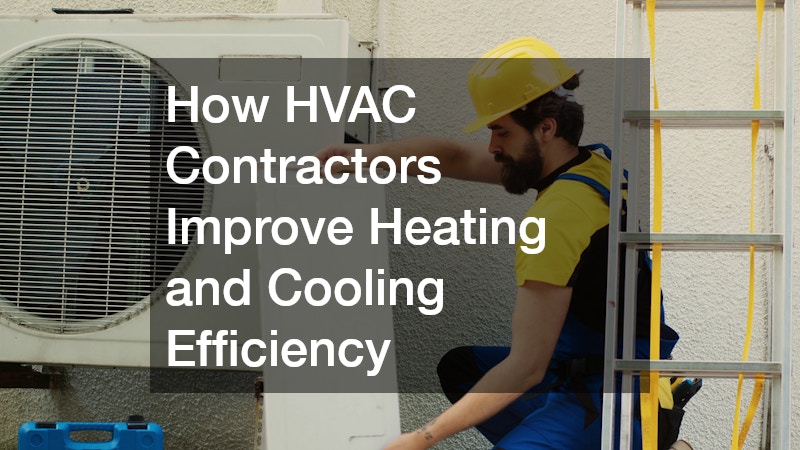
Improving system performance starts with understanding how everything is working together. That’s why a full evaluation is so important. Skilled HVAC contractors take a holistic approach, examining not just the equipment but how the entire home supports or hinders efficiency.
During a professional HVAC Service visit, technicians often begin by analyzing temperature differences throughout the home. They check whether certain rooms are consistently warmer or cooler than others, which can indicate airflow or insulation issues. They also inspect ductwork for leaks, measure airflow output, and evaluate how efficiently the system cycles.
One overlooked aspect is system sizing. If a system is too large, it may cool or heat the home too quickly without properly dehumidifying or distributing air. If it’s too small, it will run constantly and struggle to maintain temperature. Both scenarios lead to inefficiency and higher energy costs.
Homeowners can get more value from an assessment by being prepared. Make note of any inconsistencies, unusual sounds, or recent increases in energy bills. Even small observations—like one room always being colder—can provide valuable clues.
Another useful step is reviewing past maintenance records. If the system hasn’t been serviced regularly, that alone could explain efficiency issues. A thorough assessment gives homeowners a clear starting point and a prioritized plan for improvements.
Optimize Airflow to Maximize System Performance
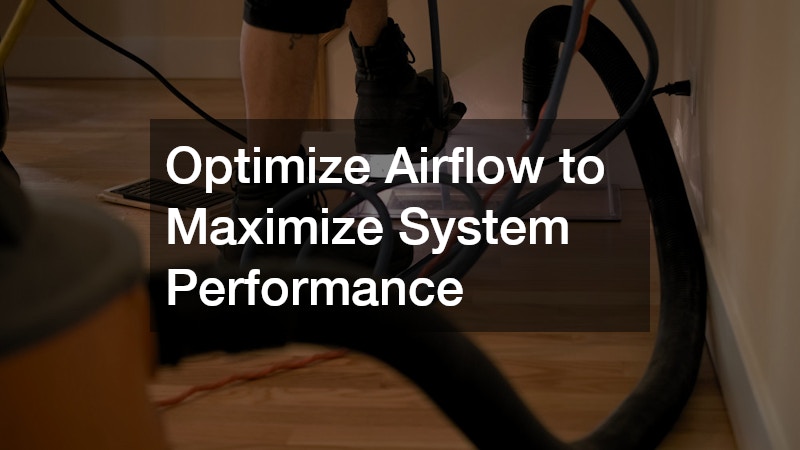
Airflow is one of the most critical factors in system efficiency, yet it’s often overlooked. When air can’t move freely, systems must work harder to push conditioned air through the home, leading to higher energy usage and uneven temperatures.
Over time, dust and debris naturally build up inside ductwork. This buildup restricts airflow and can even introduce contaminants into the air. Scheduling regular air duct cleaning helps restore proper circulation and allows the system to operate more efficiently.
In addition to ducts, ventilation cleaning ensures that air can move in and out of the system without obstruction. Blocked vents or clogged returns can create pressure imbalances that reduce performance and strain the system.
Homeowners can support airflow by keeping vents open and unobstructed. It’s common to close vents in unused rooms to save energy, but this can actually disrupt airflow and reduce efficiency. Instead, maintaining balanced airflow throughout the home leads to better results.
Another simple habit is regularly replacing air filters. Dirty filters are one of the most common causes of restricted airflow. Depending on usage and household conditions, filters should typically be replaced every one to three months.
Fix Small Issues Before They Become Expensive Problems
Small issues rarely stay small for long. What begins as a minor inefficiency can quickly escalate into a costly repair if left unaddressed. That’s why early detection is so important.
One of the most common indicators of trouble is unusual noise. Rattling, banging, or squealing sounds often point to loose or worn components. These issues can usually be resolved with timely furnace repair, preventing further damage.
Another warning sign is inconsistent performance. If certain rooms aren’t heating properly or the system struggles to maintain temperature, it may be time to schedule Heating service. Addressing these issues early improves efficiency and prevents additional wear on the system.
Homeowners should also pay attention to energy bills. A sudden increase without a clear explanation often indicates that the system is working harder than it should.
A good rule is to act quickly. Waiting in hopes that the problem resolves itself usually leads to higher costs. Early intervention not only saves money but also helps maintain consistent comfort throughout the home.
Maintain Heating Systems for Consistent Performance
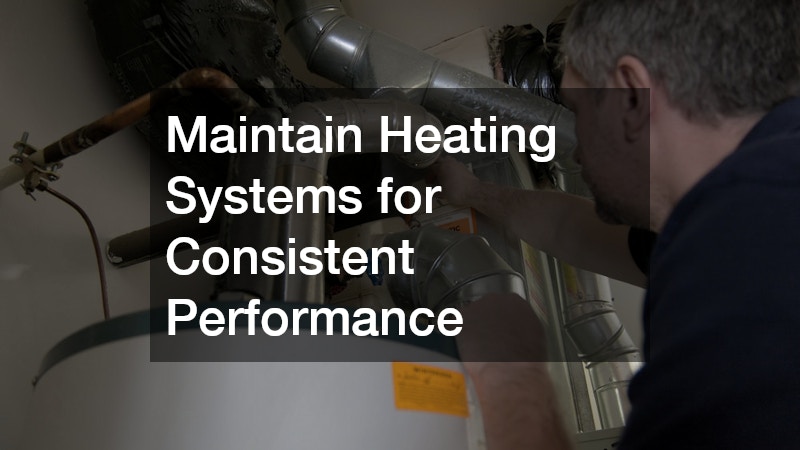
Heating systems require regular care to perform efficiently, especially during colder months when they’re used most frequently. Without maintenance, components can wear down, leading to reduced performance and higher energy consumption.
Routine boiler maintenance is essential for keeping systems operating safely and efficiently. This process typically includes cleaning internal components, checking pressure levels, and ensuring that all parts are functioning correctly.
Even systems that appear to be working fine can benefit from periodic furnace repair checks. Small adjustments, such as tightening connections or replacing worn parts, can improve efficiency and prevent breakdowns.
Homeowners can take a proactive approach by scheduling maintenance before the heating season begins. This ensures the system is ready for increased demand and reduces the risk of unexpected issues during peak usage.
In addition to professional service, simple habits like keeping the area around the unit clean and replacing filters regularly can make a noticeable difference. Consistent maintenance not only improves efficiency but also extends the life of the system.
Upgrade Outdated Systems for Better Energy Savings
There comes a point when maintaining an older system is no longer the most cost-effective option. As systems age, they lose efficiency and require more frequent repairs, making replacement a smarter long-term investment.
Modern boiler installation offers significant improvements in efficiency. Newer models are designed to use less energy while providing consistent heating, which can lead to noticeable savings on utility bills.
Similarly, furnace installation has evolved with advanced technology that optimizes performance. Features like variable-speed motors and smart controls allow systems to adjust output based on real-time needs, reducing energy waste.
When deciding whether to upgrade, consider the system’s age, repair history, and overall performance. If repairs are becoming frequent or energy bills continue to rise, replacement may provide better value.
Upgrading doesn’t just improve efficiency—it also enhances comfort. New systems provide more consistent temperatures and quieter operation, creating a more enjoyable living environment.
Improve Cooling Efficiency with Smart System Adjustments
Cooling systems face many of the same challenges as heating systems, including wear and tear, airflow issues, and improper calibration. Addressing these factors can significantly improve performance during warmer months.
Regular air conditioning maintenance ensures that the system operates efficiently. This includes cleaning coils, checking refrigerant levels, and ensuring that all components are functioning properly.
Professional HVAC Service also helps identify hidden inefficiencies, such as thermostat inaccuracies or airflow imbalances. Correcting these issues allows the system to cool the home more effectively.
Homeowners can improve efficiency by using programmable thermostats. Setting consistent temperatures and avoiding drastic changes reduces strain on the system and maintains steady performance.
Another useful tip is to limit heat gain inside the home. Closing blinds during the hottest parts of the day and using ceiling fans can reduce the workload on the cooling system.
Seal and Insulate to Prevent Energy Loss
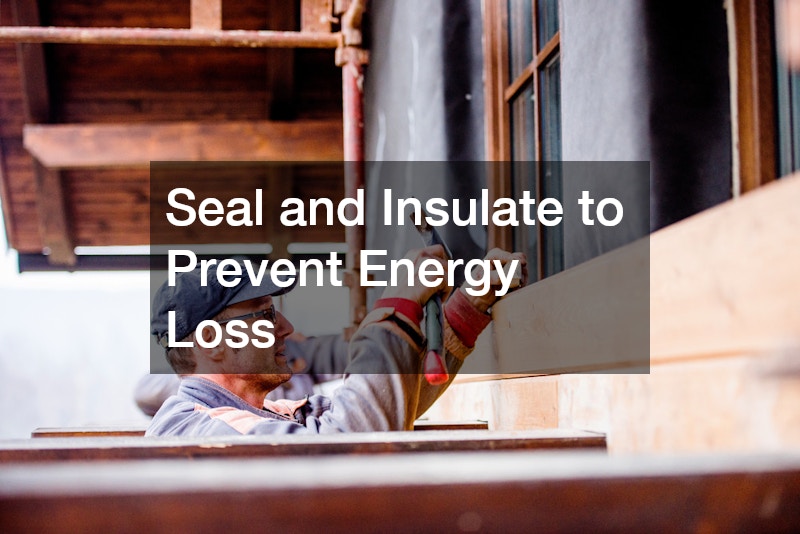
Even the most efficient system can struggle if the home itself isn’t properly sealed. Air leaks allow conditioned air to escape, forcing systems to run longer to maintain temperature. Over time, this constant strain not only increases energy bills but also accelerates wear and tear on equipment, leading to more frequent repairs and reduced lifespan.
Experienced HVAC contractors often identify leaks around windows, doors, and duct connections. These problem areas are some of the biggest contributors to energy loss, yet they’re often overlooked by homeowners. Sealing these gaps with caulk, foam, or upgraded materials can make an immediate and noticeable difference in both performance and cost savings.
Proper insulation also plays a major role. Without it, heat can easily enter or escape, making it harder for systems like air conditioning units to maintain consistent temperatures. Attics, crawl spaces, and exterior walls are especially important areas to evaluate, as poor insulation in these spaces can significantly impact overall efficiency.
Homeowners can start with simple improvements, such as adding weatherstripping or sealing visible gaps. Installing door sweeps, using thermal curtains, and checking for drafts during seasonal changes are also effective ways to minimize energy loss. For larger issues, professional insulation upgrades may be necessary to achieve optimal results.
These improvements not only enhance efficiency but also improve comfort by reducing drafts and maintaining stable indoor temperatures. A well-sealed and insulated home creates a more consistent environment, allowing heating and cooling systems to operate more effectively with less effort.
Keep Systems Clean for Peak Performance
Clean systems operate more efficiently and last longer. Dirt and debris can accumulate in various components, reducing performance and increasing energy consumption.
Scheduling regular air duct cleaning helps maintain proper airflow and prevents buildup that can restrict circulation. Clean ducts also contribute to better indoor air quality.
Routine boiler maintenance ensures that internal components remain free of buildup that can hinder efficiency. Keeping systems clean allows them to operate smoothly and reliably.
Homeowners should also focus on regular filter changes and keeping vents free of dust. These simple steps can have a significant impact on overall system performance.
Consistency is key. A well-maintained system not only performs better but also reduces the likelihood of unexpected repairs.
Use Preventive Maintenance Plans to Avoid Breakdowns
Preventive maintenance is one of the most effective strategies for maintaining efficiency and avoiding costly repairs. Instead of reacting to problems, homeowners can take a proactive approach.
A comprehensive Heating service plan typically includes seasonal inspections, system tune-ups, and priority scheduling. This ensures that systems receive regular attention and remain in optimal condition.
Ventilation cleaning is often included in these plans, helping maintain proper airflow and prevent buildup that can reduce efficiency.
When choosing a plan, look for options that cover both heating and cooling systems. This ensures year-round protection and consistent performance.
Investing in preventive maintenance not only improves efficiency but also provides peace of mind. Knowing that the system is regularly inspected reduces the risk of unexpected issues.
Work with the Right Professionals for Lasting Results

The expertise of the professionals handling your system plays a major role in its performance. Choosing experienced HVAC contractors ensures that work is done correctly and efficiently. These professionals understand how different system components interact and can identify potential issues that less experienced technicians might overlook. Their training allows them to follow best practices, adhere to safety standards, and optimize systems for both performance and longevity.
Proper furnace installation is critical for long-term performance. Even small mistakes during installation—such as incorrect sizing, poor airflow configuration, or improper sealing—can lead to inefficiencies, higher energy costs, and premature wear. A properly installed system operates more smoothly, distributes heat evenly, and avoids unnecessary strain on internal components. This attention to detail during installation can make a significant difference in how well the system performs over time.
Homeowners should look for professionals with certifications, experience, and strong customer reviews. Asking detailed questions about their process can also provide insight into their expertise. For example, understanding how they approach system sizing, ductwork evaluation, and post-installation testing can help homeowners feel more confident in their choice. Transparent communication is often a strong indicator of a reliable professional.
Working with qualified professionals ensures that systems are installed and maintained to the highest standards. This not only improves efficiency but also extends the lifespan of the equipment, reducing the likelihood of frequent repairs and unexpected breakdowns.
Building a More Comfortable and Efficient Home
Improving efficiency is a long-term investment that pays off in multiple ways. From lower energy bills to increased comfort, the benefits are both immediate and lasting.
By taking a proactive approach and making informed decisions, homeowners can create a living environment that is both efficient and enjoyable. Small improvements, combined with professional expertise, lead to meaningful results over time.
The key is consistency. Regular maintenance, timely upgrades, and attention to detail ensure that systems continue to perform at their best. With the right strategy, any home can achieve better efficiency and comfort throughout the year.
