
Planning outdoor improvements well in advance allows homeowners to think strategically rather than reactively. Instead of rushing into upgrades when something breaks or when a season arrives, taking time to evaluate goals, budgets, and long-term maintenance can lead to better outcomes and fewer surprises. Outdoor spaces often serve multiple purposes, from relaxation and entertainment to storage, access, and protection from the elements. Because these areas are exposed to weather and regular wear, thoughtful planning plays a critical role in how well projects perform over time.
When homeowners look ahead, they can align outdoor improvements with lifestyle changes, property value considerations, and seasonal timing. Some projects are best completed before peak weather shifts, while others benefit from off-season scheduling. Thinking early also allows for better coordination between different upgrades so that one project does not undo or complicate another. With careful consideration, outdoor investments can enhance both daily enjoyment and long-term functionality.
Enhancing Backyard Comfort Through Seasonal Planning
One of the most overlooked aspects of outdoor improvements is how comfort changes throughout the year. Homeowners often focus on warm-weather enjoyment, but transitional seasons and cooler months can also be used effectively with the right planning. When considering outdoor project ideas, it helps to think about how temperature control, shade, and shelter work together to extend the usability of a space.
For properties with swimming areas, temperature consistency can make a noticeable difference in how often the pool is used. Addressing comfort early allows homeowners to schedule upgrades during slower periods, avoiding delays during peak seasons. Integrating pool heater installation into a broader outdoor plan ensures that electrical, gas, or solar considerations are handled efficiently and safely. When this step is part of an overall strategy rather than a last-minute addition, it becomes easier to align installation timing with other backyard improvements.
Seasonal comfort also involves wind management, sun exposure, and surface materials. Strategic placement of seating areas, wind breaks, or landscaping elements can reduce discomfort without requiring constant adjustments. Planning these elements ahead of time helps homeowners avoid piecemeal solutions that may not work well together. Over time, thoughtful design choices reduce the need for frequent modifications.
Long-term comfort planning also supports budget management. By identifying needs early, homeowners can prioritize projects based on impact rather than urgency. This approach leads to outdoor spaces that feel intentional, cohesive, and comfortable throughout more months of the year.
Designing Walkways and Gathering Areas With Visual Balance
Paths, patios, and gathering areas shape how people move through and experience outdoor environments. When these elements are thoughtfully designed, they provide structure and visual harmony while supporting daily use. Exploring outdoor project ideas related to layout and surface design encourages homeowners to think about both form and function.
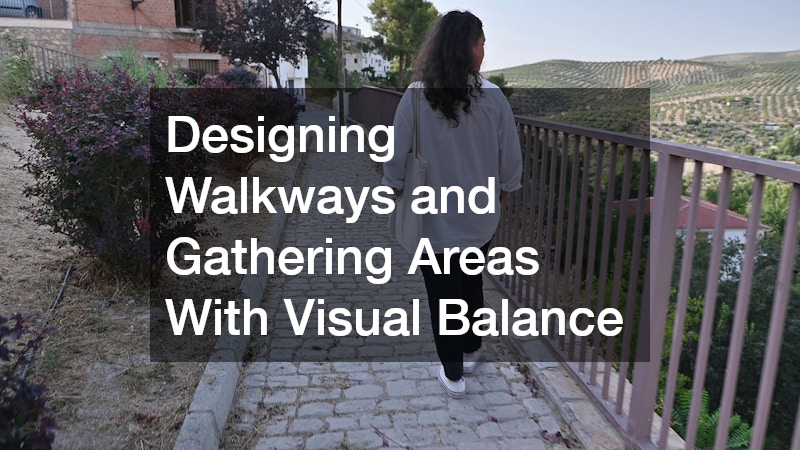
Walkways should guide movement naturally while remaining safe and durable. Materials, textures, and patterns all influence how these areas feel underfoot and how they age over time. Choosing surfaces that complement the surrounding landscape can enhance curb appeal and reduce maintenance concerns. Incorporating a decorative pebble paving service into planning allows homeowners to achieve a finished look that balances drainage, stability, and visual interest without overwhelming the space.
Gathering areas benefit from similar consideration. Seating zones, fire features, or dining spaces should feel connected to the rest of the yard rather than isolated. Thoughtful placement helps reduce congestion and encourages natural flow during events or daily use. Planning these areas early ensures that utilities, lighting, and drainage are properly integrated.
By approaching pathways and gathering zones as part of a unified plan, homeowners can avoid mismatched materials or awkward transitions. The result is an outdoor environment that feels intentional, navigable, and visually cohesive from every angle.
Maintaining Pool Longevity Through Preventive Upgrades
Pools often serve as focal points for outdoor spaces, but they also require consistent care to remain safe and enjoyable. Planning maintenance-related improvements is one of the most practical outdoor project ideas for homeowners who want to avoid costly repairs down the line.
Water balance plays a significant role in preserving pool surfaces and equipment. Understanding factors like calcium hardness for pool systems helps homeowners make informed decisions about surface treatments, filtration, and long-term upkeep. When these considerations are addressed early, they support smoother maintenance routines and extend the lifespan of finishes and mechanical components.
Preventive planning also includes evaluating surrounding surfaces and drainage. Deck materials, coping, and nearby landscaping all influence how debris and water interact with the pool. Coordinating these elements reduces strain on cleaning systems and minimizes wear caused by improper runoff or chemical imbalance.
By treating pool care as an ongoing strategy rather than a reactive task, homeowners create a more reliable and enjoyable outdoor feature. This forward-thinking approach reduces disruptions and helps ensure that pool-related investments continue to deliver value year after year.
Creating Flexible Shade Solutions for Outdoor Living
Shade structures add versatility and comfort to outdoor spaces, making them more adaptable to changing weather conditions. When exploring outdoor project ideas, shade often emerges as a key factor in extending the usability of patios, decks, and gathering areas.
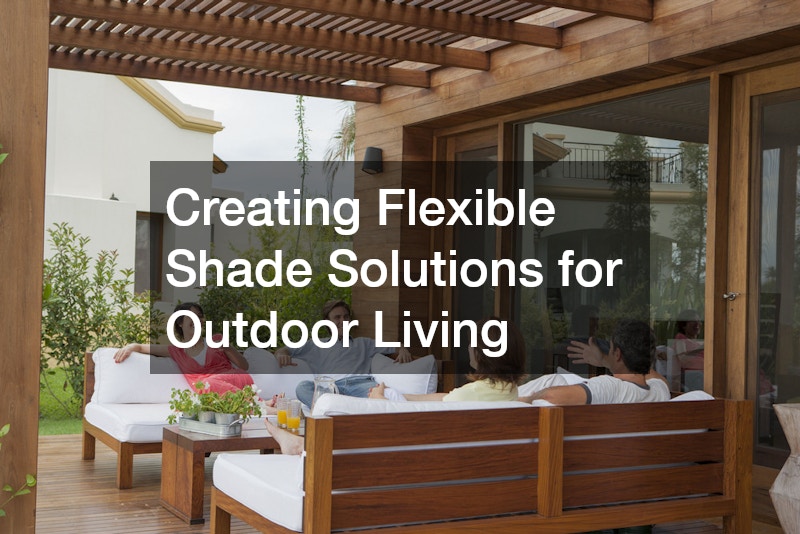
Permanent or semi-permanent structures offer reliable protection from sun exposure while contributing to the overall design of a yard. Collaborating with pergola builders during the planning phase allows homeowners to customize size, placement, and materials to fit existing features. This coordination ensures that shade structures complement rather than compete with surrounding elements.
Flexible shade solutions also support varied uses throughout the day. Morning light, midday heat, and evening gatherings all place different demands on outdoor areas. Thoughtful planning can account for these shifts, creating spaces that remain inviting regardless of time or season.
By integrating shade into the broader outdoor layout, homeowners reduce the need for temporary fixes and create environments that feel balanced and purposeful. The result is an outdoor space that supports comfort, style, and long-term enjoyment.
Improving Home Efficiency Through Exterior Openings
Doors and windows play a significant role in how indoor and outdoor spaces interact. When homeowners consider outdoor project ideas, upgrades to these features often provide benefits that extend beyond aesthetics.
Well-planned improvements can enhance energy efficiency, security, and ease of access to outdoor areas. Working with a window and door contractor as part of a broader exterior strategy allows homeowners to align styles, materials, and performance expectations. This coordination helps ensure that openings function properly while complementing surrounding outdoor features.
Exterior openings also influence how spaces are used. Large doors can create seamless transitions between indoor and outdoor living areas, encouraging more frequent use of patios or decks. Planning these upgrades alongside landscaping or surface projects avoids mismatches and structural conflicts.
By addressing windows and doors early, homeowners can optimize comfort, functionality, and visual appeal. These improvements support a cohesive exterior that performs well over time and adapts to changing needs.
Selecting Materials That Support Long-Term Durability
Material choices affect every outdoor project, influencing maintenance requirements, appearance, and lifespan. Thoughtful selection is one of the most impactful outdoor project ideas homeowners can pursue when planning.
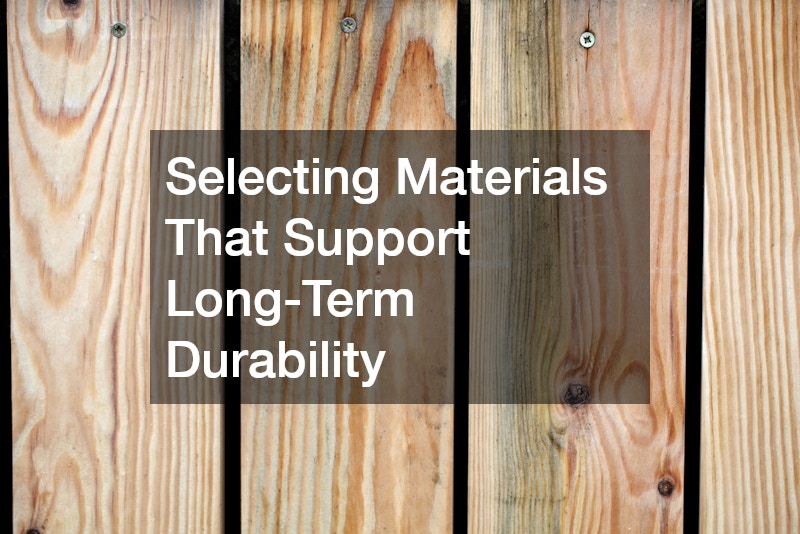
Evaluating building materials involves balancing durability, climate suitability, and design preferences. Materials that perform well in one environment may not be ideal in another. Early planning allows homeowners to research options thoroughly and select solutions that align with local conditions and long-term goals.
Consistency across materials also contributes to visual harmony. Coordinating finishes, textures, and colors helps create a unified look that feels intentional rather than pieced together. This approach reduces the risk of future replacements caused by incompatibility or premature wear.
By prioritizing material quality and compatibility, homeowners protect their investments and reduce ongoing maintenance demands. The result is an outdoor environment that remains functional and attractive through years of use.
Protecting Structures Through Proactive Roof Planning
The roof is one of the most critical components of any property, yet it is often addressed only after visible issues arise. Including roofing considerations among outdoor project ideas encourages homeowners to think preventively rather than reactively, shifting focus from emergency repairs to long-term structural health. Early planning allows potential weaknesses to be identified before they compromise interior spaces or surrounding exterior features.
Coordinating inspections and upgrades with a residential roofing company helps identify potential vulnerabilities such as aging materials, flashing issues, or ventilation inefficiencies before they lead to leaks or structural deterioration. Planning these improvements alongside exterior projects ensures that drainage systems, gutters, ventilation pathways, and structural connections work together effectively rather than being treated as isolated elements.
Roof-related planning also supports scheduling efficiency and budget control. Addressing roofing needs during favorable seasons reduces delays caused by weather limitations and minimizes disruption to other outdoor work. This coordination prevents overlapping projects that can complicate timelines, require rework, or increase labor costs due to sequencing conflicts.
By integrating roof care into long-term planning, homeowners protect both interior and exterior investments. A proactive approach supports overall property performance, improves energy efficiency, and reduces the likelihood of unexpected repairs, helping maintain stability and comfort throughout the home over time.
Managing Landscape Safety and Growth Over Time
Trees and vegetation contribute beauty, privacy, and natural shade, but they also require oversight to remain safe and manageable. Including landscape management among outdoor project ideas helps homeowners maintain a balance between visual appeal and long-term safety. Without regular evaluation, even healthy-looking trees can create hidden risks as they mature and respond to changing environmental conditions.
Over time, trees can interfere with structures, underground utilities, or drainage systems as root systems expand and canopies grow denser. Planning for tree removal services when necessary allows homeowners to address risks before they escalate into costly or dangerous situations. Early evaluation supports safer outcomes, reduces the likelihood of storm-related damage, and minimizes disruptions caused by fallen limbs or compromised root structures.
Landscape planning also involves coordinating plant placement with future outdoor upgrades. Anticipating growth patterns helps prevent conflicts with walkways, shade structures, fencing, or exterior lighting. This foresight supports healthier landscapes by allowing plants adequate space and sunlight while also protecting nearby features from overgrowth-related wear or obstruction.
By treating tree and vegetation management as part of a long-term strategy, homeowners preserve both safety and aesthetics. Proactive planning ensures outdoor spaces remain functional, visually balanced, and adaptable as the landscape evolves, resulting in a property that continues to enhance everyday living without creating ongoing maintenance challenges.
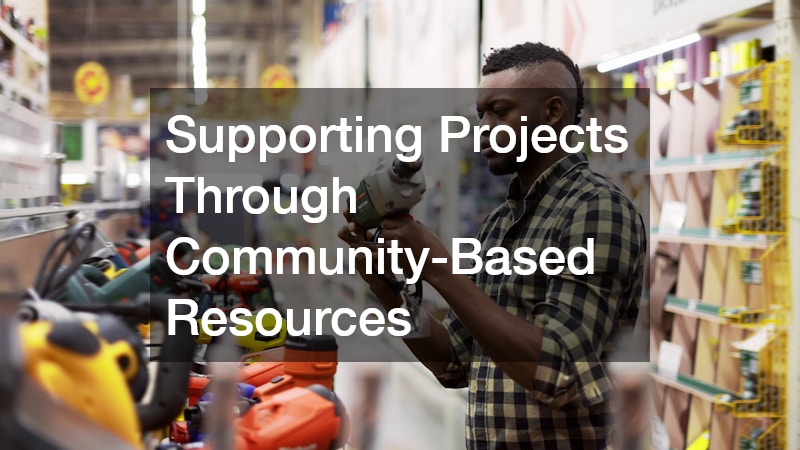
Supporting Projects Through Community-Based Resources
Successful outdoor improvements often rely on access to tools, supplies, and guidance. Incorporating outdoor project ideas that account for resource availability helps homeowners plan more effectively and avoid unnecessary interruptions. When materials and support are considered early in the planning process, projects are more likely to stay on schedule and within scope.
Nearby local hardware stores can provide materials, practical advice, and convenience during project execution. Planning allows homeowners to confirm product availability, understand lead times, and identify alternatives if certain items are out of stock. This preparation helps prevent delays caused by missing components and reduces last-minute decision-making that can affect overall quality.
Community-based resources also foster flexibility throughout a project’s lifespan. When adjustments are needed due to weather changes, design revisions, or unforeseen conditions, having dependable access to supplies makes it easier to adapt without halting progress. This responsiveness is especially valuable for multi-phase outdoor projects that unfold over extended periods and require ongoing coordination.
By factoring local resources into planning, homeowners create a more resilient and efficient project strategy. This approach supports timely completion, improves decision-making, and reduces stress by ensuring that support systems are readily available whenever challenges arise.
Extending Surface Life With Protective Finishes
Outdoor surfaces face constant exposure to weather and use, making protection essential. Considering protective treatments among outdoor project ideas helps homeowners preserve functionality and appearance.
Applying concrete coating solutions can enhance durability, reduce maintenance, and improve safety. Planning these applications alongside other surface projects ensures compatibility and proper timing. This coordination prevents premature wear and supports consistent performance.
Protective finishes also contribute to visual cohesion. Coordinated colors and textures help tie together different outdoor elements, creating a polished look. Early planning allows homeowners to select finishes that align with long-term design goals.
By prioritizing surface protection, homeowners extend the life of their outdoor investments. This proactive approach supports both aesthetics and practicality, resulting in spaces that perform well for years to come.
