This article explores the feasibility of undertaking clogged drain cleaning as a DIY project. We will cover common questions and concerns that arise when considering home plumbing repairs. In many households, drain clogs are inevitable due to various reasons like hair, soap build-up, and food particles.
Tackling a clogged drain as a do-it-yourself (DIY) project can save money and give a sense of accomplishment. However, it is essential to weigh the potential benefits against risks and drawbacks, especially for more persistent or complex clogs.
1. What Causes Drains to Clog?
Drains can become clogged for numerous reasons, often dictated by the area of the house in which they are located. In kitchens, food scraps and grease are the primary contributors to clogs. These substances can adhere to the walls of the pipes, gradually building up until water flow is impeded. In bathrooms, hair and soap scum are common culprits; hair can form a net, trapping soap residue and other debris. Regular maintenance and mindfulness of what goes down drains are effective preventive measures.
Outside forces, such as tree roots infiltrating sewer lines, can also cause significant blockages. This issue tends to occur over time, as roots are naturally drawn to the moisture present around pipes. Ignoring such problems can lead to more severe damage, including pipe breakage. Consistently clogged drains might also indicate a larger systemic issue within your plumbing, such as old pipes or improperly installed connections. Recognizing these signs early can prompt timely intervention.
Understanding the variety of factors that contribute to clogged drains can help in determining the best approach to their resolution. If clogs occur frequently, it is crucial to inspect whether underlying issues exist that require more comprehensive repairs. On the other hand, simple clogs can often be addressed with home solutions, which we will explore further. Taking proactive measures, such as using hair catchers and avoiding pouring grease down the sink, can stave off many common causes of clogs. Adopting these practices may save you from headaches down the line.
2. What Tools Do I Need for Drain Cleaning?
The tools required for drain cleaning can vary based on the nature and location of the clog. A plunger is an essential item for any household, often effective for minor clogs in sinks and toilets. For more stubborn blockages, a plumber’s snake, sometimes called an auger, can be a useful tool. This flexible, long tool can reach deeper into the piping to dislodge debris. For those willing to invest, motorized drain cleaning machines can handle more intensive tasks, offering more power and reach.
Professional-grade tools might be overkill for simple, surface-level clogs, but they can be indispensable for tackling tough blockages. The risk of causing damage should not be overlooked; using a plumber’s snake improperly can scratch or damage pipes. Additionally, if a mechanical solution feels intimidating, consider using a natural enzyme-based drain cleaner to break down organic material without affecting pipe integrity. Having a few different tools on hand increases the chances of resolving a clog quickly and efficiently. When choosing drain cleaning tools, consider the frequency and severity of your usual plumbing issues.
In conjunction with these tools, ensure you have the right personal protective equipment (PPE) while working with potentially hazardous materials or in hazardous environments. Gloves, goggles, and protective clothing can safeguard against exposure to chemicals, bacteria, and injury. Proper usage and understanding of each tool can be achieved through practice and instruction manuals. For homeowners, becoming familiar with these tools creates a first line of defense against drain issues, although knowing when a problem is beyond your skill level is equally crucial. This knowledge can aid in protecting your plumbing and ensuring personal safety.
3. What Are the Steps to Clean a Clogged Drain?
The first step in addressing a clogged drain is to identify the location and severity of the clog. Begin by attempting to clear the clog with a plunger, applying firm and consistent pressure. Plunging works by creating suction that dislodges debris. If plunging proves ineffective, the next step is to use a plumber’s snake. Insert the snake into the drain until you feel resistance, then rotate the tool to break up the clog.
If using a plumber’s snake does not resolve the issue, more advanced methods may be necessary. A mix of household items, such as baking soda and vinegar, can be used to create a natural cleaning solution. Pour the baking soda into the drain, followed by vinegar, and let the solution sit while it dissolves the clog. After a period, flush the drain with hot water to clear any remaining debris. This technique can be effective for minor organic clogs.
When all else fails, consulting with a professional plumber may be required to avoid further damage. They can conduct a thorough assessment and utilize specialized equipment such as hydro jets for more complex cases. Before reaching this point, however, employing common tools and methods can resolve many everyday issues. Remember, regularly maintaining drains with natural solutions can prevent future clogs, preserving the overall health of your plumbing system. Consistent upkeep can save time and money.
4. How Do I Know If It’s Time to Call a Professional?
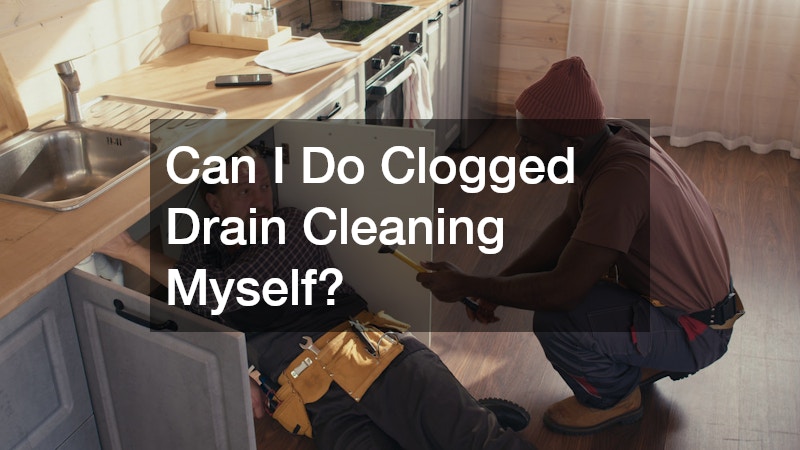
Knowing when to call a professional plumber can be challenging, especially when dealing with persistent or severe clogs. Indicators that professional help is warranted include repeated or severe blockages, water backing up in multiple drains, and unusual noises from pipes. If regular approaches fail to rectify the issue after several attempts, it’s advisable to seek expert assistance. Professionals can use advanced diagnostics like cameras to identify what’s not visible to the naked eye. Moreover, they can provide lasting repairs that tackle the root cause of the problem.
Professional intervention is particularly crucial when potential structural issues or pipe damage is suspected. Attempting to fix such problems without the proper expertise and equipment can exacerbate the damage. Ignoring these symptoms might result in more costly repairs in the long run, including major renovations or replacements. Additionally, understanding the limits of DIY repair methods underscores the importance of knowing when to escalate a problem. At the same time, addressing such issues promptly can prevent future disasters.
On the financial aspect, while DIY methods are often less expensive initially, continued failure to unblock drains can lead to higher expenses. Balancing the cost of temporary solutions with the investment in a reputable plumbing service is essential. Experienced plumbers not only address immediate concerns but can offer insights into maintaining your plumbing more effectively in the future. Their expertise can bring you peace of mind, ensuring that your home’s plumbing system remains in optimal condition. Opting for professional assessment can be a prudent decision, safeguarding your property’s value.
5. Are Chemical Drain Cleaners Effective?
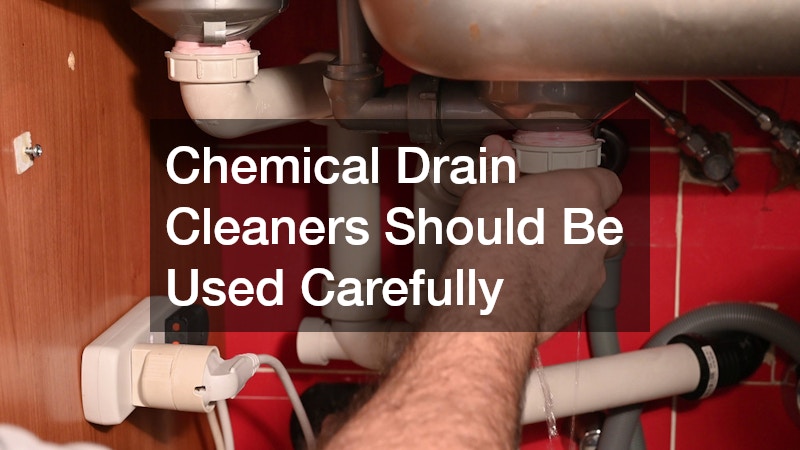
Chemical drain cleaners are common solutions for blocked drains due to their ability to dissolve many types of clogs quickly. However, their effectiveness may vary based on the clog’s nature and location. Understandably, homeowners find convenience in their ease of use, simply pouring the solution down the drain and allowing it to work. Their aggressive nature can power through many obstructions, especially when comprised of organic material. Nevertheless, these cleaners often contain harsh chemicals that can be harmful to both pipes and the environment.
Frequent use of chemical drain cleaners can lead to pipe deterioration, especially in older plumbing systems composed of metal or older PVC. Corrosive properties can wreak havoc on pipe integrity over time, leading to more significant problems. Moreover, if used improperly, chemicals can create safety hazards for those handling them or within the home. Thus, while they can be advantageous for occasional use, relying solely on chemical solutions is not recommended. Less aggressive options, such as enzyme-based cleaners, may offer safer alternatives.
Moreover, environmental considerations play a substantial role in the ongoing discussion about chemical drain cleaners. These substances contribute to pollution and can disrupt ecosystems when flushed into the water supply. As such, using chemical cleaners poses both personal and ecological risks. Mindful usage, combined with alternative natural methods and regular maintenance, can support effective drain management. As environmentally conscious options continue to emerge, they may provide future solutions to the clogged drain challenges.
Deciding whether to tackle clogged drain cleaning yourself involves understanding the risks, tools, and techniques. While DIY can be effective for minor clogs, knowing when to hire a professional can save time and prevent further damage. It’s important to maintain regular drain care and adopt preventative measures, which reduce the likelihood of encountering severe issues. By balancing DIY efforts with professional services when necessary, one can ensure the efficient operation of household plumbing systems. Ultimately, with appropriate practices, homeowners can maintain their drains in good working condition, ensuring comfort and convenience in their homes.