
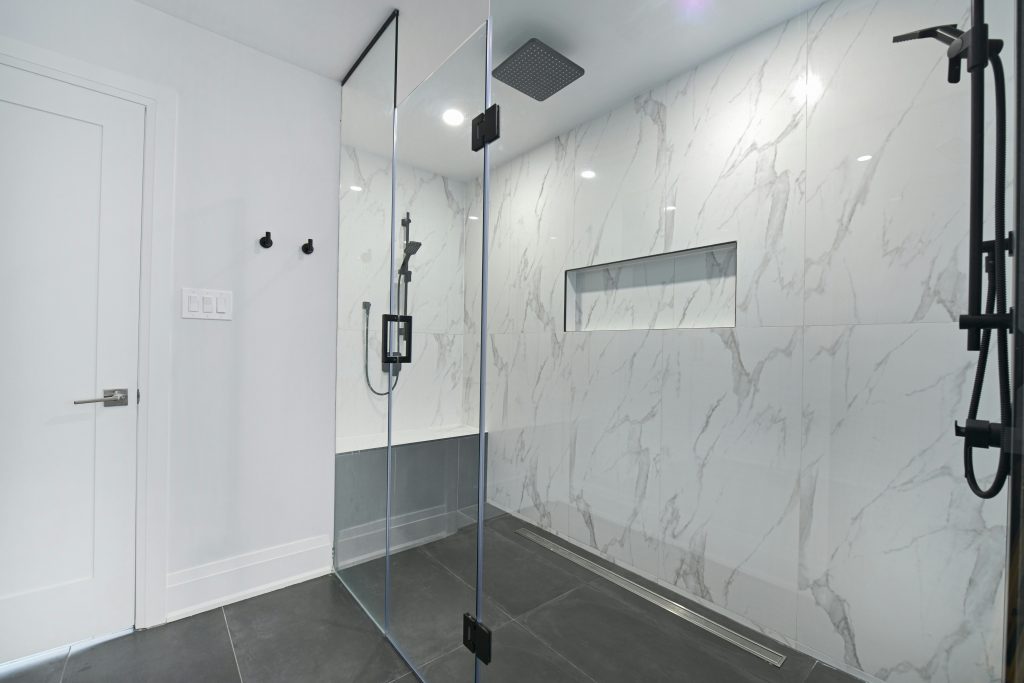
Highlights:
- Mobility planning has gone mainstream — roughly 66% of 2026 bathroom remodels are now designed with long-term accessibility in mind, not just for people who currently need it.
- A tub-to-shower conversion is rarely a simple swap — demolition often uncovers plumbing, subfloor, or wall issues that expand the project’s scope.
- Budget for surprises — nearly 70% of homeowners who converted a tub encountered at least one unexpected cost, so setting aside an extra 10–20% is a smart move.
- The “one tub rule” still matters for resale — removing every bathtub in a house can slow a sale, especially in family-heavy markets, but converting one tub when another remains elsewhere is generally viewed favorably.
- ROI is solid but not universal — tub-to-shower conversions typically recoup around 60% of their cost, provided the home still has a bathtub somewhere else.
- Personal comfort often outweighs resale in people’s decision-making — most homeowners renovate for their own quality of life and satisfaction, not primarily to impress future buyers.
- Some steps genuinely require licensed expertise — plumbing relocation, waterproofing, and structural changes carry real risk if done incorrectly, making professional help worth the investment.
If you’ve been eyeing your bathtub lately and wondering whether it’s earning its keep, you’re far from alone. Bathroom renovation trends shift every few years, but 2026 has produced a number that’s hard to ignore, and it’s changing how homeowners think about the tub that’s been sitting in the corner of their bathroom since the house was built. Whether you’re planning a full gut renovation or just testing the waters on a smaller project, this is the year to actually look at the data before you pick up a sledgehammer.
The 2026 Number That’s Turning Heads
Here’s the stat that’s driving this whole conversation: according to a mid-2026 industry report on mobility-focused bathroom remodels, roughly 66 percent of bathroom remodels this year are being planned with long-term mobility in mind. That’s not a niche percentage anymore. That’s a majority. And it’s worth sitting with for a second, because “mobility planning” doesn’t just mean grab bars and non-slip mats for people who currently need them. It means homeowners in their forties and fifties are choosing curbless showers, wider doorways, and lever-style handles now, years or even decades before they’ll actually need those features, simply because it’s smarter to build it once than to remodel twice.
That’s the real story behind this number. It’s not a wave of homeowners suddenly developing mobility concerns. It’s a wave of homeowners doing the math on what it costs to renovate a bathroom today versus tearing it out again in ten or fifteen years when a knee replacement or a visiting parent makes a high tub wall a genuine hazard. Once you frame it that way, the appeal of a walk-in shower stops looking like a concession and starts looking like forward planning.
Why So Many Homeowners Are Making the Switch
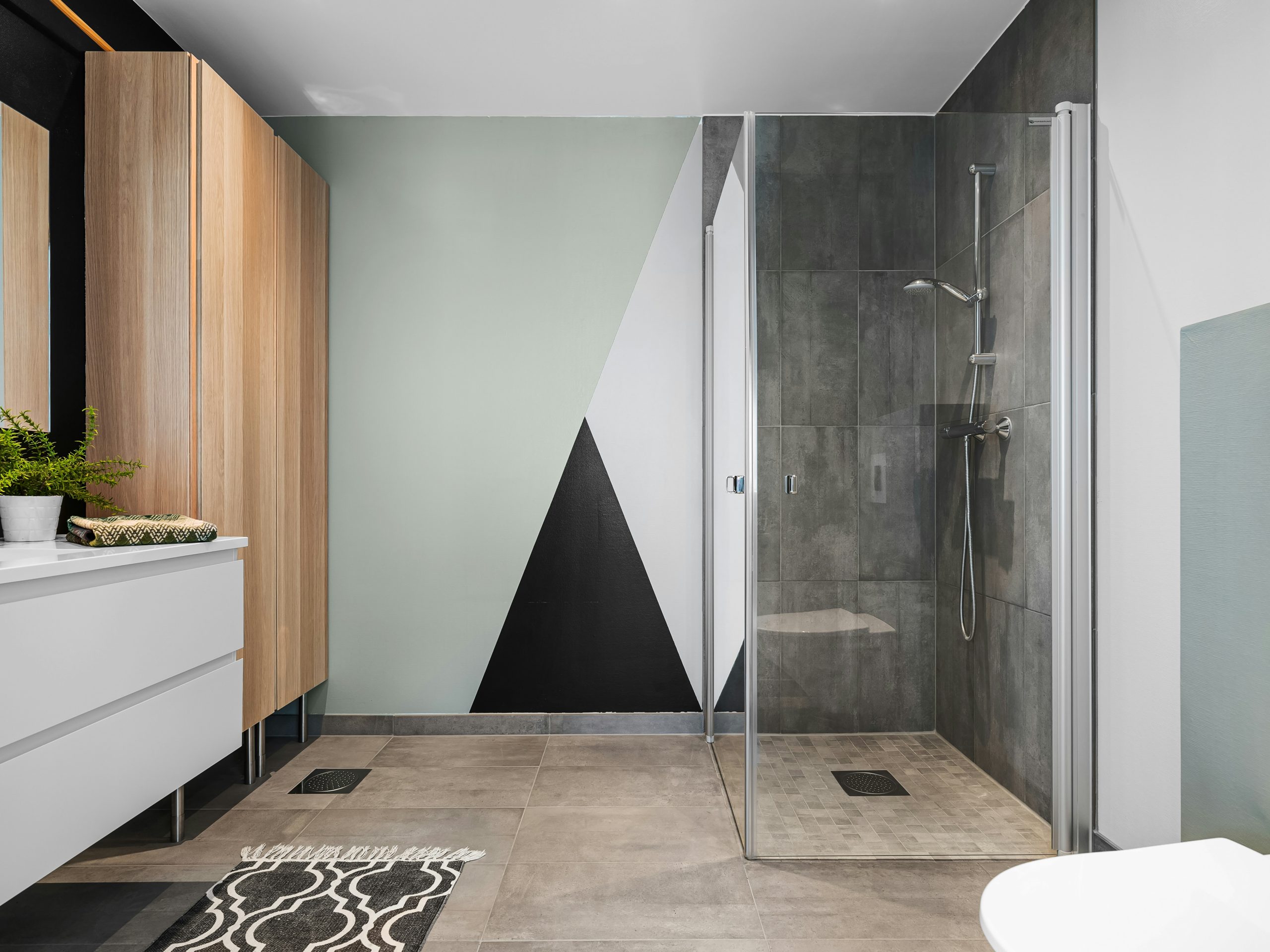
A few forces are pushing this trend at the same time, and they reinforce each other in a way that makes the shift feel less like a fad and more like a permanent change in how bathrooms get designed.
- People are staying in their homes longer. Fewer families are moving every five to seven years the way they used to, so there’s more incentive to build a bathroom that will still work in year twenty, not just year two.
- The tub itself is getting less use. Plenty of homeowners admit their bathtub has become a glorified laundry basket or a spot to bathe the dog rather than a place they actually soak.
- Space matters more in smaller homes. A standard bathtub eats up somewhere between 15 and 20 square feet of floor space, and removing it can make a cramped bathroom feel dramatically more open.
- Safety concerns have quietly become mainstream. Stepping over a high tub wall is one of the most common causes of household falls, and that risk doesn’t discriminate by age until it suddenly does.
- The “hotel bathroom” look has taken over. Frameless glass, large-format tile, and rain showerheads read as luxury now in a way that a fiberglass tub insert simply doesn’t.
None of these factors alone would explain a shift this large. Together, they explain exactly why the walk-in shower has moved from an accessibility feature to a mainstream design choice.
What a Bathtub-to-Shower Remodel Actually Involves
It’s tempting to think of this as a simple fixture swap: tub out, shower in, done in a weekend. In practice, it rarely works that way, and understanding the real scope of the project up front will save you a lot of frustration later.
A typical conversion involves:
- Demolition of the old tub and surrounding tile, plus checking the studs and subfloor for hidden water damage once everything is exposed.
- Plumbing adjustments, since shower drains are required by code to be larger than tub drains, and many older bathrooms need an upgraded anti-scald mixing valve as well.
- Waterproofing, including a new shower base or pan and a sealed waterproof wallboard system to prevent leaks into the surrounding structure.
- Surface selection, whether that’s custom tile, engineered stone panels, or acrylic wall systems, each of which comes with a very different price tag and maintenance routine.
- Accessibility add-ons, like grab bars, built-in benches, and curbless entries, even if you’re not currently thinking of your bathroom in those terms.
The good news is that because most of this work happens within the existing “wet area” of the bathroom, it’s usually far less disruptive than a full gut renovation. The less good news is that opening up the walls and floor almost always reveals something you weren’t expecting, which brings us to the budget conversation.
The Real Costs You Should Budget For
Cost ranges for this kind of project vary widely depending on where you live, what materials you choose, and whether your plumbing needs to move. Angi’s 2026 walk-in shower cost breakdown puts a straightforward tub-to-shower conversion somewhere between $6,000 and $12,000, with the low end covering prefabricated shower units and the high end reflecting custom tile, frameless glass, and any structural surprises.
Speaking of surprises, this is where a lot of homeowners get caught off guard. This Old House’s 2026 homeowner survey on tub-to-shower conversions found that people who completed a shower or tub conversion ran into at least one unexpected cost nearly 70 percent of the time. The most frequent culprits were structural repairs, water damage discovered mid-project, and plumbing upgrades nobody planned for at the outset. Because of this, it’s smart to set aside an extra 10 to 20 percent of your total budget as a cushion rather than assuming your quote is the final number.
If you want to keep costs closer to the lower end of the range, a few strategies genuinely help:
- Keep the shower drain and plumbing in the same footprint as the old tub instead of relocating it.
- Choose a prefabricated shower base rather than a fully custom tiled pan.
- Skip trendy add-ons like heated flooring or a rain showerhead on the first pass if budget is tight, and add them later.
- Get a firm answer on permit costs before you start, since these can range from $250 to $500 depending on your municipality.
Watch Out for These Planning Traps
Even homeowners who do their homework can trip over the same handful of issues, and it’s worth being blunt about them here. Some of the most common home remodeling mistakes in this specific project involve underestimating plumbing complexity, assuming a contractor’s first quote is the final cost, and choosing materials based purely on looks without checking how they hold up in a wet, high-traffic space. Another frequent misstep is skipping the structural inspection step entirely, which means water damage or mold hiding behind old tile doesn’t get discovered until demolition is already underway and the budget has less room to absorb it.
There’s also a planning mistake that’s easy to make emotionally rather than practically: removing every bathtub in the house because you personally never use one. If you have kids, plan to have kids, or expect to sell within the next few years, keeping at least one bathtub somewhere in the home, even a secondary bathroom, tends to be the safer move. Real estate professionals sometimes call this the “one tub rule,” and while it’s not a hard law, it reflects a real pattern in buyer behavior that’s worth respecting even if you’re not planning to move anytime soon.
Signs This Remodel Is Right for You
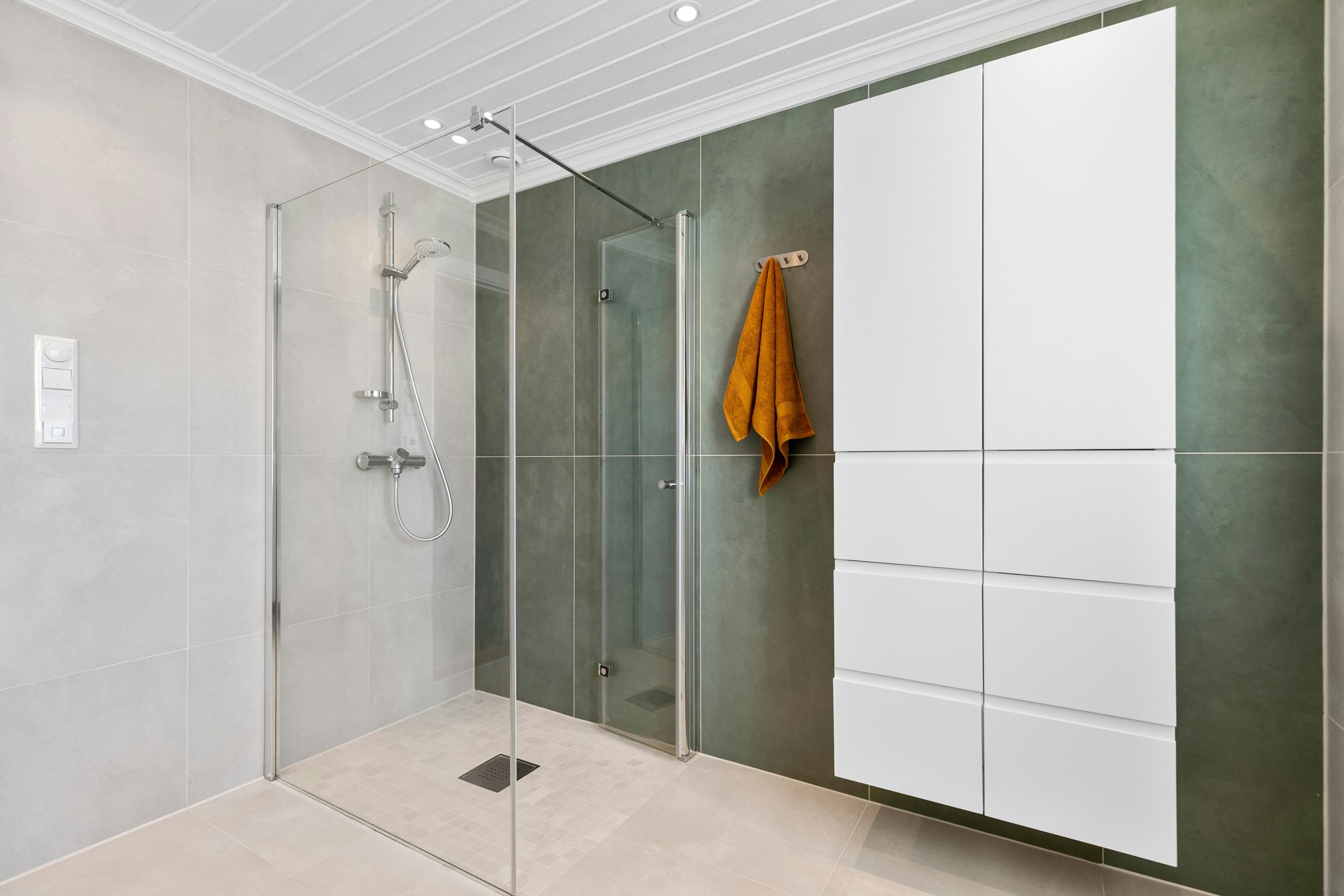
This project tends to make the most sense if several of the following describe your situation:
- You’re renovating a primary or en-suite bathroom rather than the only full bathroom in the house.
- Your household rarely uses the bathtub for actual bathing.
- You’re planning to stay in your home for at least five more years.
- You or a family member has, or anticipates, mobility needs that a high tub wall would complicate.
- Your current bathroom feels cramped, and reclaiming that 15 to 20 square feet of floor space would genuinely improve the layout.
- You already have, or plan to keep, at least one bathtub elsewhere in the home.
If most of these apply to you, a walk-in shower conversion is likely to be a project you’re glad you did, both for daily comfort and for the shape it gives your bathroom going forward.
Signs You Might Want to Keep Your Tub
On the flip side, there are situations where holding onto the tub, at least for now, is the more sensible choice:
- It’s the only full bathroom in your house.
- You live in a family-heavy neighborhood where buyers with young children are the most likely future purchasers.
- You’re planning to sell within the next one to three years.
- You or someone in your household genuinely uses the tub regularly, whether for relaxation or for bathing small children.
- You have the space to eventually add both a soaking tub and a separate walk-in shower, which tends to be the strongest combination for resale in higher-end markets.
There’s no universal right answer here. As Remodel Inspo’s analysis of planning-stage tub removal decisions points out, the decision depends far more on how your household actually lives day to day than on any generic renovation advice you’ll find online.
Where to Splurge and Where to Save
Once you’ve decided to move forward, it helps to know where spending more actually pays off and where it doesn’t move the needle much.
Worth spending more on:
- Waterproofing materials and installation, since a leak behind the wall is one of the most expensive problems to fix after the fact.
- A curbless or low-threshold entry, which is one of the few features that reads as both luxury and long-term planning at the same time.
- Proper in-wall blocking for grab bars, even if you don’t install the bars themselves right away, since adding blocking later means opening the wall again.
Areas where you can reasonably save:
- Shower base material, since a quality prefabricated pan can perform just as well as custom tile for most households.
- Hardware finishes, which can be swapped out relatively cheaply later if your taste changes.
- Add-on luxuries like body sprays or multiple showerheads, which are nice but not essential to the core function of the space.
When to Call in the Pros
Some parts of this project are genuinely fine for a confident DIYer, like painting, hanging new fixtures, or installing a prefabricated shelving unit. But there’s a real category of home upgrades you should leave to professionals, and plumbing relocation, electrical work near a wet area, and structural changes to load-bearing walls all fall squarely into that category. Getting these pieces wrong doesn’t just risk a bad-looking bathroom; it risks code violations, water damage that can spread into the rest of your home, and safety hazards that are far more expensive to fix after the fact than they would have been to do correctly the first time. A licensed contractor who has handled dozens of these conversions will also spot the kind of hidden subfloor or wall issues that most homeowners wouldn’t catch until it was too late.
Resale Value: What the Data Really Says
This is probably the question that keeps the most homeowners up at night before committing to this project, and the honest answer is more nuanced than the old “never remove your tub” advice suggests. Tona USA’s breakdown of walk-in shower versus bathtub resale value shows a cost recovery somewhere in the 50 to 80 percent range depending on the scope of the project and local market conditions, with tub-to-shower conversions specifically landing around 60 percent ROI when there’s still another bathtub elsewhere in the home.
Where things get riskier is when a renovation eliminates every bathtub in a house entirely. That scenario can genuinely extend how long a home sits on the market, particularly in family-oriented neighborhoods where buyers with young children are searching. But in homes with multiple bathrooms, converting one tub into a walk-in shower tends to be viewed favorably, since buyers increasingly associate updated, accessible bathrooms with a well-maintained home rather than a compromise.
It’s also worth noting that most homeowners aren’t actually renovating with resale as their top priority in the first place. This Old House’s 2026 renovation survey shows quality of work and total cost ranking far above resale value when people describe their planning priorities, and satisfaction rates for completed tub-to-shower projects run remarkably high, with the vast majority of homeowners reporting they were satisfied or very satisfied with the result. That’s a useful reminder that this decision doesn’t have to be primarily about the next buyer. It can simply be about building a bathroom that works better for the people living in the house right now.
Bringing It All Together
A bathtub-to-walk-in-shower remodel isn’t a one-size-fits-all decision, but the 2026 data makes one thing clear: this is no longer a niche or purely accessibility-driven choice. It’s becoming the default plan for a huge share of homeowners who are thinking several years ahead rather than just redecorating for the moment. If your household barely uses the tub, your bathroom feels tight, and you’re planning to stay put for a while, the numbers suggest you’re in good company making the switch. If you’ve only got one bathroom or you’re selling soon, it may be worth holding off or at least keeping a tub somewhere else in the house. Either way, the smartest move is the same one the data points to again and again: slow down, budget for the unexpected, and bring in the right professionals for the parts of the job that actually require them.
